
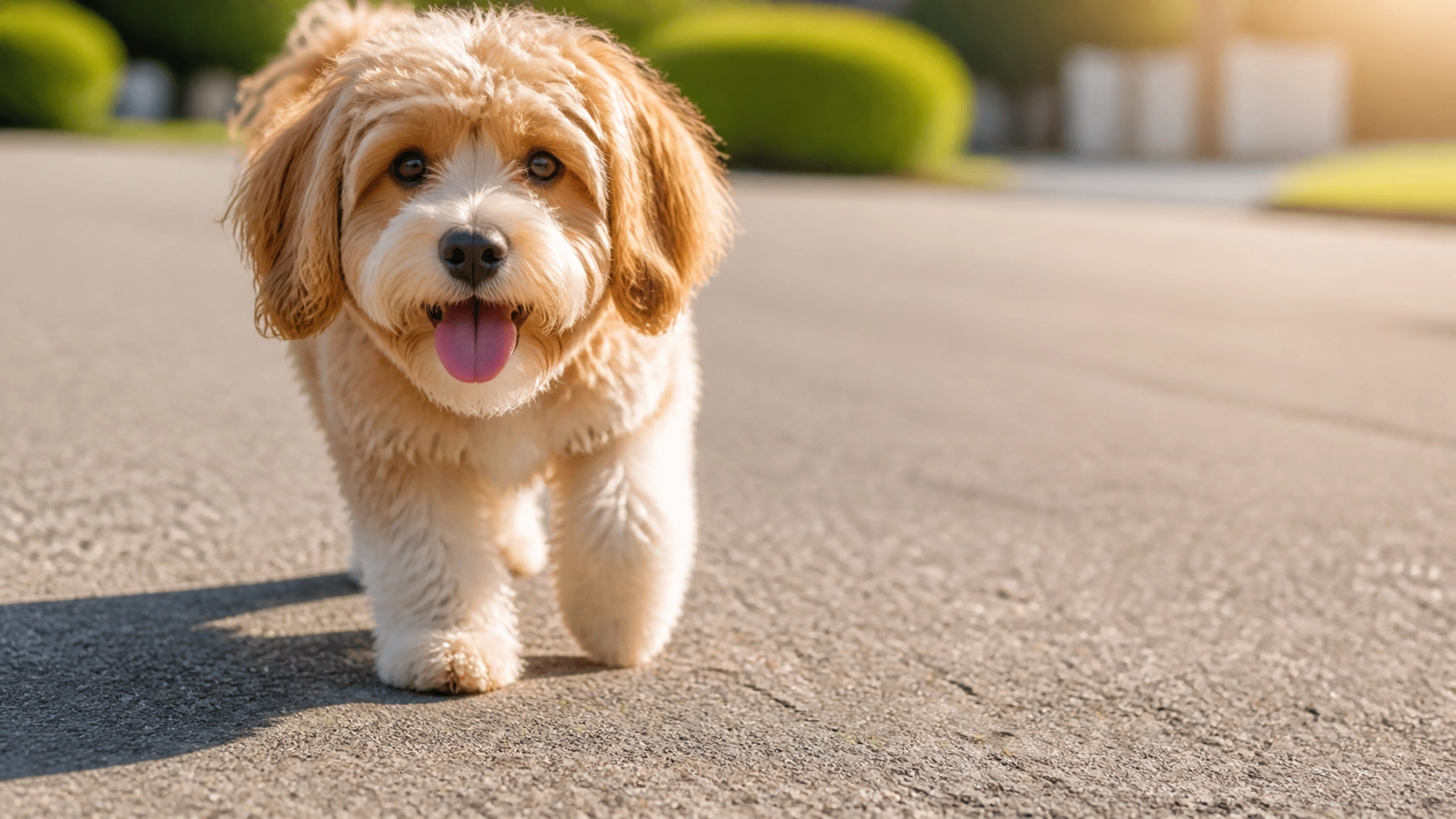
Hot summer days can send pavement temperatures soaring above 135°F, which can burn a dog’s paw pads in under 60 seconds. To keep your pup safe, use the “7-second hand test,” walk during cooler hours, and prioritize grass over asphalt to ensure your yard remains a safe haven for summer play.
Introduction: When the Sidewalk Becomes a Skillet
We all love a sunny summer day. There is nothing quite like a bright morning walk and a light breeze in the air. But as the day goes on and the temperature climbs past 80°F, our neighborhoods transform. While we’re comfortably walking in our favorite hiking boots or flip-flops, our four-legged neighbors are navigating a landscape that has literally become a skillet.
The issue of hot pavement isn’t just a minor discomfort; it’s a significant health risk that catches many well-meaning pet owners off guard every year. In places where outdoor activity is a way of life, understanding the hidden dangers of sun-exposed surfaces is the first step in being a responsible pet parent. Today, we’re diving into the “why” and “how” of summer paw safety so you can enjoy the sunshine without the emergency vet visit.
1. The Heat Gap: Why Air Temp is a Liar
One of the biggest mistakes we make is assuming that if the air feels “nice,” the ground is fine too. In sunny climates and some high-altitude areas, the sun’s rays can be especially intense. Dark surfaces like asphalt and even lighter concrete act as heat sinks, absorbing thermal energy and holding onto it long after the sun goes down.

Consider these statistics provided by the American Kennel Club:
- When the air is 77°F: Asphalt in the direct sun can reach 125°F.
- When the air is 86°F: Asphalt can spike to 135°F.
- The Danger Zone: Skin destruction (and paw pad burns) can occur in just 60 seconds when the surface temperature hits 135°F.
Think of it this way: You wouldn’t place your hand on a hot stovetop for a minute, so we shouldn’t ask our dogs to walk on the “stovetop” of our suburban streets.
2. The “7-Second Rule” and Practical Testing
Because we can’t always carry an infrared thermometer around, we need a simple, reliable way to check the ground.
The Hand Test
Before you step off the grass and onto the sidewalk, perform the 7-second test. Place the back of your hand firmly against the pavement. If you cannot comfortably keep it there for a full seven seconds because it’s too hot, then it is officially too hot for your dog’s paws.

Why the Back of the Hand?
The skin on the back of your hand is thinner and more sensitive than your palm, making it a better proxy for the sensitive pads of a dog’s feet. If it feels like it’s burning you, it’s definitely burning them.
3. Signs of Paw Burns: What to Look For
Sometimes, despite our best efforts, a walk goes a little too long or a surface is hotter than we realized. Dogs are stoic creatures: they often won’t complain until the damage is done. Keep a close eye on your pup for these warning signs of burned pads:
- The “Hot Foot” Dance: Lifting paws repeatedly or refusing to walk.
- Physical Changes: Pads that appear darker than usual, red, or have visible blisters.
- Post-Walk Grooming: Intense licking or chewing at the feet after coming inside.
- Limping or Stiffness: A sudden change in gait can indicate the pads are tender.
If you suspect a burn, move them to a cool surface immediately. Flush the paws with cool (not ice-cold) water and contact your veterinarian. For more on general summer health, the AAHA provides excellent resources on protecting pets from the elements.
4. Prevention: Strategies for Happy Paws
You don’t have to stay indoors all summer! You just need to pivot your routine. Here are the best ways to keep the “zoomies” safe during a heatwave:
- Adjust the Clock: The best times for walks are early morning (before 8:00 AM) or late evening (after the sun has lost its bite). Remember, asphalt retains heat, so even a sunset walk might require a quick hand test.
- Seek the Greenery: Stick to shaded trails and grass. Dirt paths are significantly cooler than pavement and offer a more natural experience for your dog anyway.
- Gear Up: If you must cross hot surfaces, consider dog booties. They provide a physical barrier against the heat.
- Conditioning: Just like our own feet, paw pads can get “tougher” over time. Gradually increasing walks on varied (but safe) terrain can help build up a protective layer, though it’s never a substitute for caution on a 90-degree day.

5. Your Yard: The Safe Haven
When the sidewalks are sizzling, your backyard becomes the most important place in your dog’s world. It’s where they can run, play, and do their business without the risk of scorching their feet.
However, a safe yard is more than just “not hot.” To truly be a sanctuary, a yard needs to be clean. During the summer, pet waste can break down quickly in the heat, attracting pests and creating an environment that isn’t exactly “barefoot friendly” for humans or “paw-friendly” for pups.
That’s why regular dog poop removal matters. A clean yard helps protect paws, supports healthier grass, cuts down on odor and pests, and makes the space more enjoyable for both pets and people. When your dog can stay on cool, clean turf instead of baking pavement, your backyard becomes a much safer place for summer play.
Whether you handle cleanup yourself or build it into your weekly routine another way, the goal is the same: a poop-free yard that’s always ready for zoomies, sniffing, and a game of fetch.

FAQ: Summer Paw Safety
Q: Can I use paw wax instead of booties?
A: Yes! Paw waxes and balms provide a thin protective layer and help keep pads moisturized, which prevents cracking. However, for prolonged walks on very hot pavement, booties offer much better insulation.
Q: Is artificial turf safer than asphalt?
A: Not necessarily. Artificial turf can actually get hotter than natural grass and sometimes even hotter than concrete. Always perform the hand test on turf before letting your dog play on it.
Q: What should I do if my dog burns their paws?
A: Move them to a cool area immediately. Rinse the paws with cool water and wrap them loosely to prevent licking. Contact your vet right away, as burns can easily lead to infection.
Conclusion: A Season of Safe Adventures
Summer is a gift, and our dogs deserve to enjoy it right alongside us. By respecting the “Heat Gap,” utilizing the 7-second rule, and keeping our yards clean and inviting, we can ensure that every summer memory is a happy one.
Keep those paws cool, those water bowls full, and those yards clean. A little consistency with dog poop removal goes a long way toward creating a backyard that feels safe, comfortable, and ready for all the best parts of summer.
About the Author:
Pet Scoop
Pet Scoop has been a trusted expert in pet waste management since 1994. We share practical tips to help pet owners maintain cleaner, safer outdoor spaces for dogs and the people who love them.